
A lot of people still have outdated ideas about aluminum doors and windows. Some think they look too industrial. Others assume they’re weak, noisy, bad for insulation, or only used in office buildings. Most of those ideas come from older products people saw years ago, not the systems being installed in homes today.
At RAM, we work with homeowners, architects, and builders who often come to us with questions based on these old assumptions. Some myths keep repeating themselves even though modern aluminum systems have already moved way past them.
Here’s a closer look at some of the biggest myths and the actual facts behind them.
This is probably one of the oldest assumptions people still carry around. Years ago, aluminum frames often had bulky shapes and limited finish options, so they did end up looking more commercial than residential.
That’s not really the case anymore.
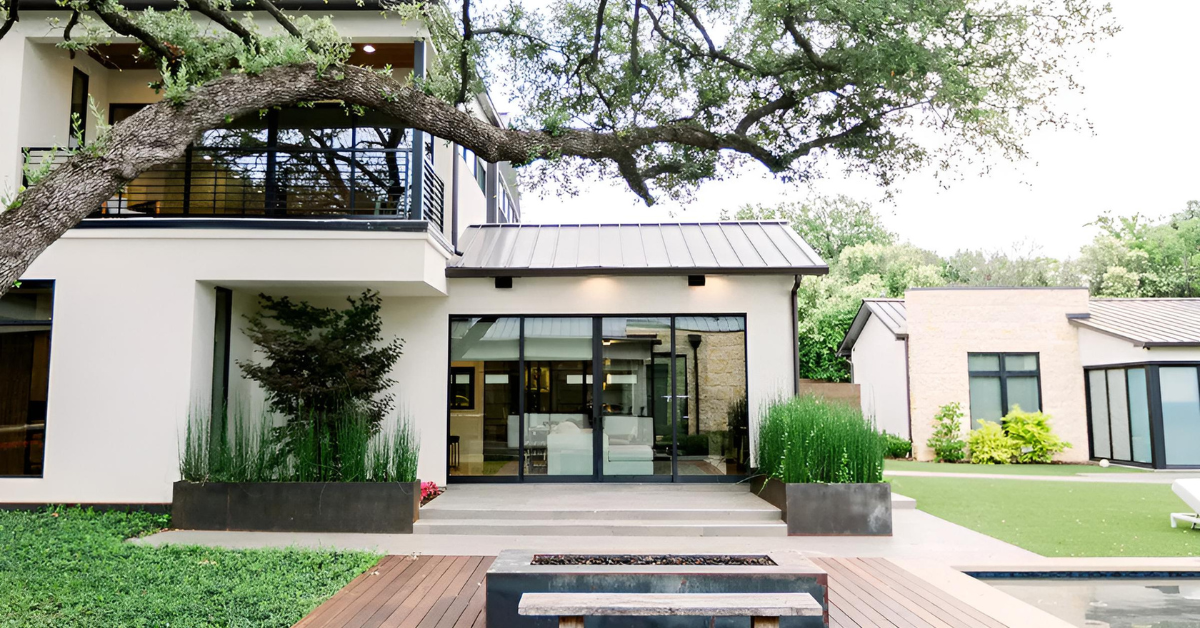
Modern aluminum windows and doors are designed for residential architecture just as much as commercial projects. Today’s systems come in slim profiles, textured finishes, darker colors, wood-look options, and custom configurations that work well in contemporary homes.
A lot of modern houses actually depend on aluminum because it allows:
Many homeowners specifically choose aluminum now because they want the cleaner appearance it provides.
This one gets repeated a lot, which is strange considering aluminum is used in everything from skyscrapers to transportation systems.
The reality is that aluminum has a very strong strength-to-weight ratio. It can support larger openings without needing thick, bulky framing. That’s one reason modern homes with oversized glass walls often use aluminum windows and door systems instead of heavier materials.
Stronger framing also helps with:
Materials like vinyl sometimes need thicker frames to support the same glass size. Aluminum allows larger openings while keeping the frame profile slimmer and cleaner.
This belief mostly comes from older aluminum systems that lacked thermal separation technology. Older frames transferred heat more easily, which created insulation problems in certain climates.
Modern systems are completely different.
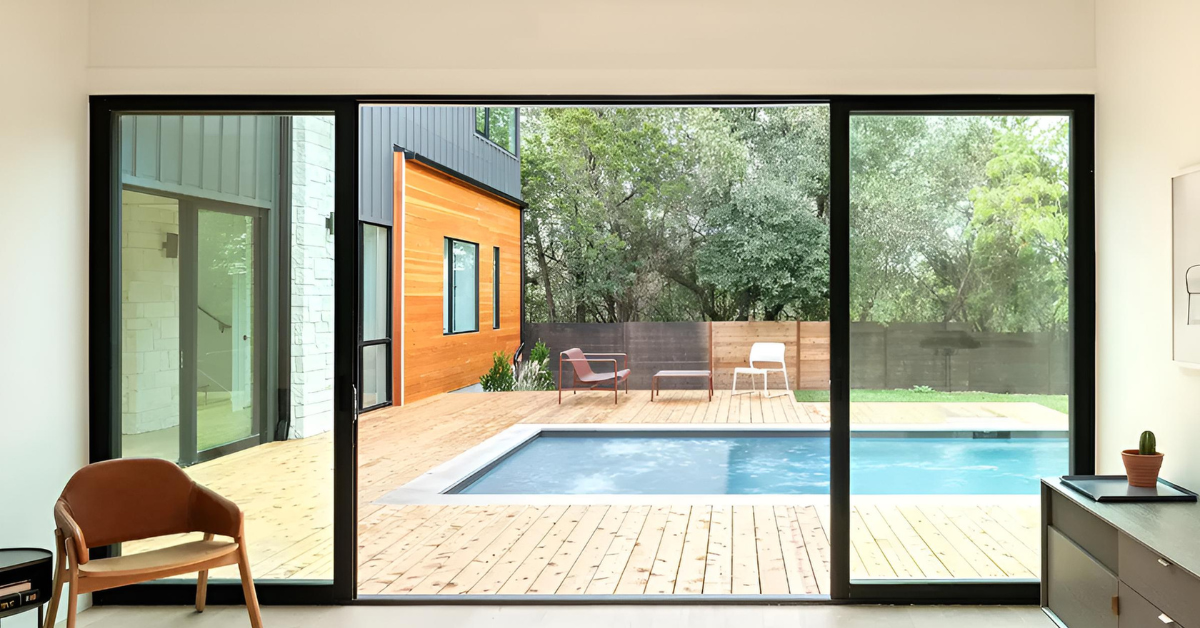
Today’s aluminum doors and windows often include thermal breaks, insulated glass packages, advanced coatings, and improved frame engineering. Those features help reduce heat transfer and improve indoor comfort.
Energy performance now depends on several things:
A properly designed aluminum system performs far better than many people expect. Especially in warmer climates, high-quality aluminum products can work extremely well when paired with the right glazing setup.
Thinking about upgrading your windows and doors?
Honestly, one of the major reasons homeowners pick aluminum is that the upkeep stays pretty low compared to other kinds of materials.
Aluminum doesn’t rot, swell, crack, or soak in moisture like wood will, over time. It also deals with humidity and those changing weather conditions surprisingly well, almost like it can shrug it off. Most homeowners mainly deal with basic cleaning and occasional hardware checks.
That’s especially useful in:
Modern finishes also hold up much better than older painted systems did years ago.
While aluminum is pretty heavily used in modern architecture, it’s not only tied to one particular style, you know. The flexibility with its finishes, the frame sizes, and the various configurations, lets aluminum fit across different home designs, even when the overall look is sort of different.
We’ve seen aluminum systems used in:
The trick is choosing the right proportions, colors, and layout for the architecture itself. A slim black frame may work beautifully in one project while a softer bronze finish works better in another.
One product category growing quickly in residential projects is the aluminum swing door. People are using them for patios, side entries, offices, and even interior transitions in larger custom homes.
They’re popular because they combine:
Compared to heavier traditional wood doors, aluminum swing systems often feel lighter visually while still remaining structurally strong.
They also pair nicely with larger fixed glass panels around the entry area.
One of the biggest shifts in modern residential architecture is how homes link the inside and outside, kind of together, like no big boundary. In that context, aluminum bi-fold patio doors have become a major trend, not just for the look, but also for that practical feeling.
These systems let entire wall sections open outward at once, so you get a far wider opening than standard sliding doors, and it really changes how the space breathes, especially when the weather is right. They’re especially popular in homes with:
Homeowners like the flexibility because the space feels more connected without permanently removing separation between indoors and outdoors.
Aluminum works particularly well here because the frames stay relatively slim even across larger openings.
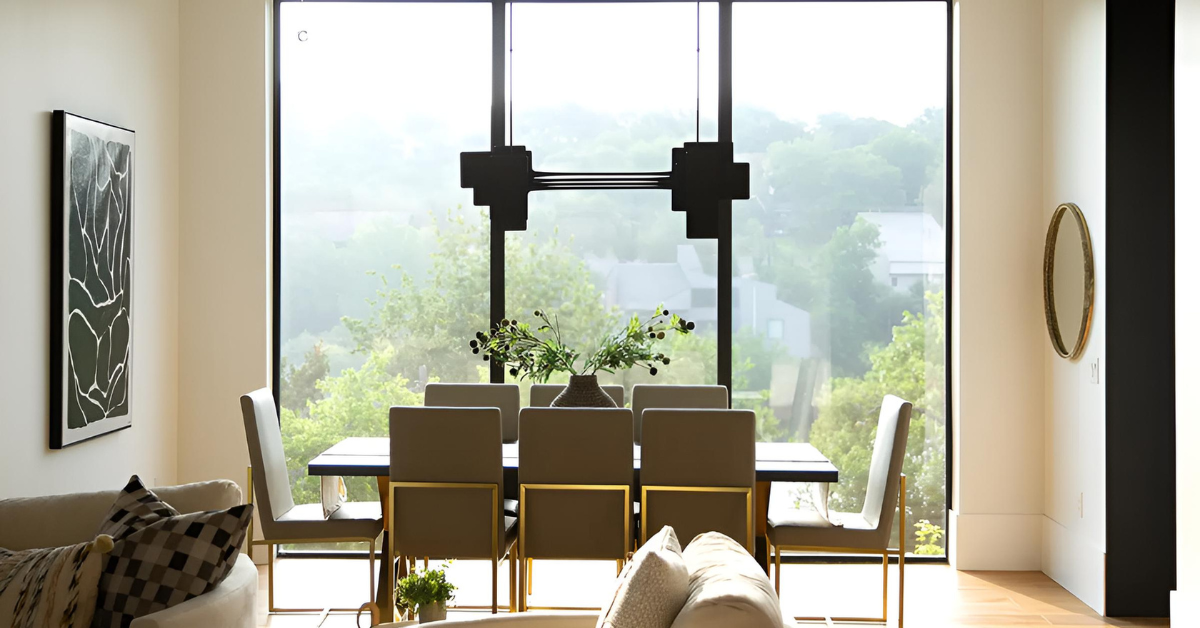
Architects often go with aluminum because it gives them more design flexibility, without really giving up the structural performance.
At RAM, we regularly juggle projects where the overall look depends on bigger openings, thinner sightlines, and custom sizing that other materials don’t handle so cleanly. Aluminum gives architects more freedom when designing open spaces filled with natural light.
Some of the biggest advantages include:
That balance between appearance and function is a big reason aluminum continues growing in residential construction.
A lot of myths surrounding aluminum windows and doors come from outdated products people remember from decades ago. Modern systems have evolved far beyond those older assumptions.
Today’s aluminum products offer slimmer frames, stronger performance, larger glass areas, lower maintenance, and far more design flexibility than many homeowners expect. Whether someone wants a minimalist modern home or a cleaner renovation update, aluminum systems fit a wide range of architectural styles.
The material itself isn’t the problem people once assumed it was. In many modern homes, it’s actually one of the biggest reasons the architecture works as well as it does.
Planning a custom home or modern renovation project?
RAM works with custom aluminum systems designed for modern residential architecture. Our aluminum doors and windows are built to support larger glass openings, slimmer frames, and cleaner designs while still focusing on durability, energy performance, and long-term use.
Yes, modern aluminum windows and doors really can be energy efficient, especially if they include thermal breaks, insulated glazing, and solid weather stripping. In general, these newer systems perform much better than the older aluminum stuff people might still recall from years back.
Aluminum doesn’t rust the way steel does. Good aluminum framing is made to handle exposure to rain, dampness, and temperature shifts, which is basically why it’s so often chosen for coastal and humid areas.
Aluminum bi-fold patio doors tend to create wider passages that blend indoor and outdoor spaces in a more natural way. They also usually have slimmer frame lines and bring in more natural daylight than a lot of the usual patio door arrangements.
Yes, aluminum swing door systems work very well for residential builds. They bring durability, a cleaner modern look, larger glass sections, and reliable long-term operation, all while staying compatible with many different architectural styles.