
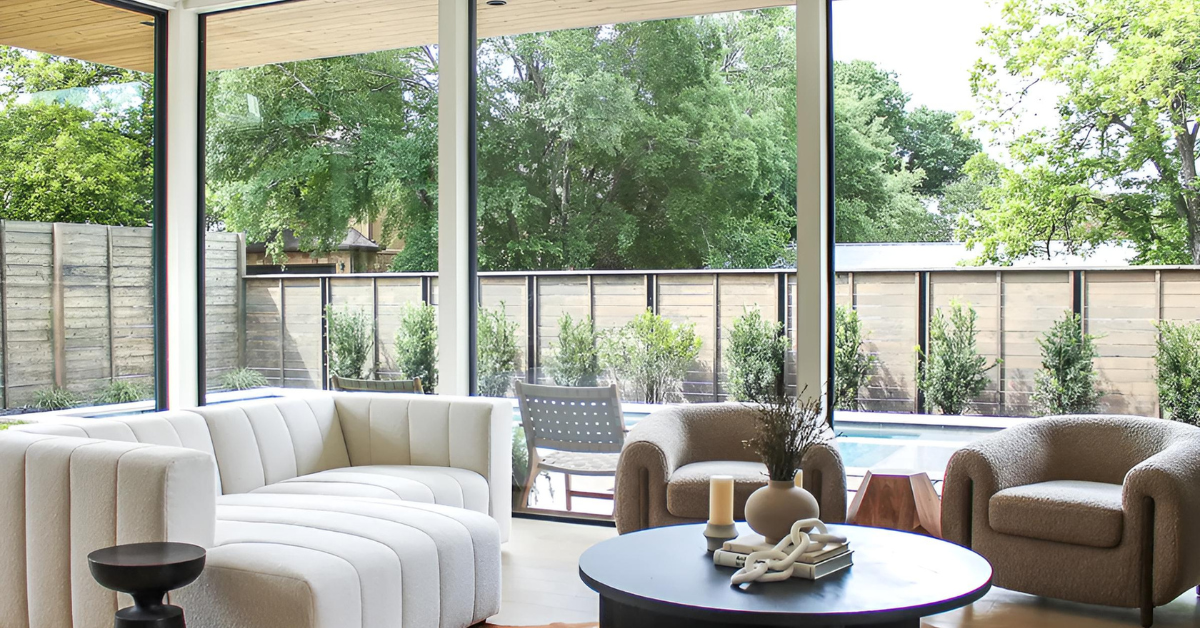
Windows used to be treated like background pieces in a home. You picked a shape, picked a color, and moved on. That’s changed quite a bit. Now, homeowners, architects, and builders spend serious time thinking about the right window frame design because it affects everything, including light, energy use, and curb appeal, even though a room feels.
If you’re planning a remodel or building a new home, these are some of the biggest window design trends worth paying attention to.
One of the biggest changes in modern residential architecture is the move toward thinner framing profiles. People want more glass and less bulky material blocking the view. That’s one reason slim aluminum systems keep showing up in high-end homes across Texas and beyond.
A thinner frame changes the entire feeling of a room. Natural light spreads further. Outdoor views feel less boxed in. Spaces feel cleaner without trying too hard. We see this trend especially in modern and transitional homes where simplicity matters more than decorative details.
Aluminum also solves a practical problem. It’s strong enough to support larger openings without oversized framing. That’s difficult with many other materials. Large fixed windows, oversized sliders, and tall glass walls are becoming more common because aluminum makes those designs possible.
A lot of homeowners searching for a modern window design end up gravitating toward these narrow sightline systems once they see them in person.
People are done with tiny windows. That’s probably the bluntest way to put it.
New construction homes are pushing larger openings almost everywhere. Living rooms, kitchens, stairwells, and even bathrooms are using taller glass panels to bring in more daylight. The old style of chopping walls up with multiple smaller windows feels dated in many newer homes.
Current house window design trends are focused on openness. More connection to outdoor areas. Better natural lighting during the day. Less dependence on artificial light. Bigger windows help with all of that.
Some common applications we’re seeing include:
These setups work especially well in homes with patios, pools, courtyards, or landscaped backyards. The windows become part of the architecture instead of just sitting inside it.
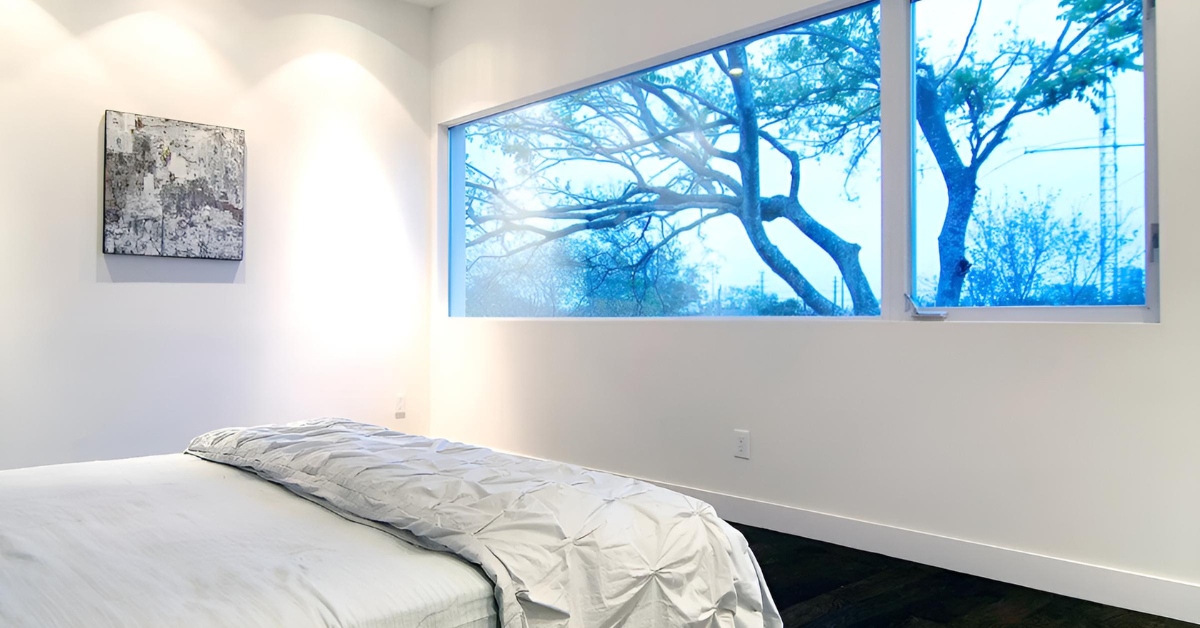
White frames still exist, obviously, but darker finishes are leading the market right now. Black, bronze, charcoal, and deep anodized aluminum finishes have become incredibly popular in residential projects.
There’s a reason for that. Dark frames create contrast without needing decorative trim or heavy detailing. They work with stucco homes, brick homes, modern farmhouses, contemporary builds, and even some traditional architecture when done carefully.
At RAM, we’ve noticed many homeowners pairing darker aluminum systems with neutral exterior palettes. Sand-colored stucco, natural stone, white siding, and wood accents all work nicely with darker frames.
The look feels clean without looking sterile. That balance matters.
For a while, casement windows got overlooked because people associated them with older designs. That’s changed pretty quickly once manufacturers started creating cleaner aluminum versions with thinner profiles and larger glass areas.
Today’s aluminum casement windows look far more architectural and streamlined than older wood or vinyl versions. They also provide excellent airflow because the entire sash opens outward rather than sliding halfway.
That’s useful in kitchens, bathrooms, and bedrooms where ventilation matters. Homeowners also like the tighter seal casement systems create when closed. It helps with energy efficiency and weather resistance.
Some reasons people are choosing them now:
They work especially well when mixed with fixed windows in larger wall systems. You still get ventilation where needed without breaking up the overall glass appearance too much.
Design trends aren’t only about appearance anymore. Performance matters too. Weather concerns have pushed many homeowners toward stronger window systems that can handle tougher conditions without looking bulky.
That’s where aluminum storm windows have become more relevant in modern construction, especially in areas dealing with strong storms, heat, coastal conditions, or seasonal weather swings.
People don’t want thick, heavy-looking systems that ruin the appearance of the home. They want protection without sacrificing design. Modern aluminum systems are getting much better at balancing both.
We’re seeing increased interest in:
A modern window frame design now has to do more than just look nice. It has to perform well year after year, too.
Decorative grids used to dominate residential windows. Now, cleaner, uninterrupted glass is taking over in many modern homes.
That doesn’t mean grids disappeared completely. Some architectural styles still use them effectively. But current trends lean heavily toward simpler layouts with fewer visual interruptions.
People want the outside view to feel open. They want natural light without a bunch of framing lines cutting through it. Minimalism continues to shape modern architecture, and windows are a huge part of that.
Many newer homes are using:
The overall goal is consistency and visual simplicity.
Cookie-cutter windows don’t fit many modern homes anymore. Architects and homeowners want systems tailored to the specific project instead of forcing the house to fit standard sizes and shapes.
At RAM, custom configurations have become a major part of what we do. Every project has different lighting conditions, ceiling heights, wall dimensions, and exterior views. Custom sizing helps tie everything together more naturally.
Modern window design is becoming more intentional overall. People are paying attention to:
That level of detail changes the finished result more than most people expect.
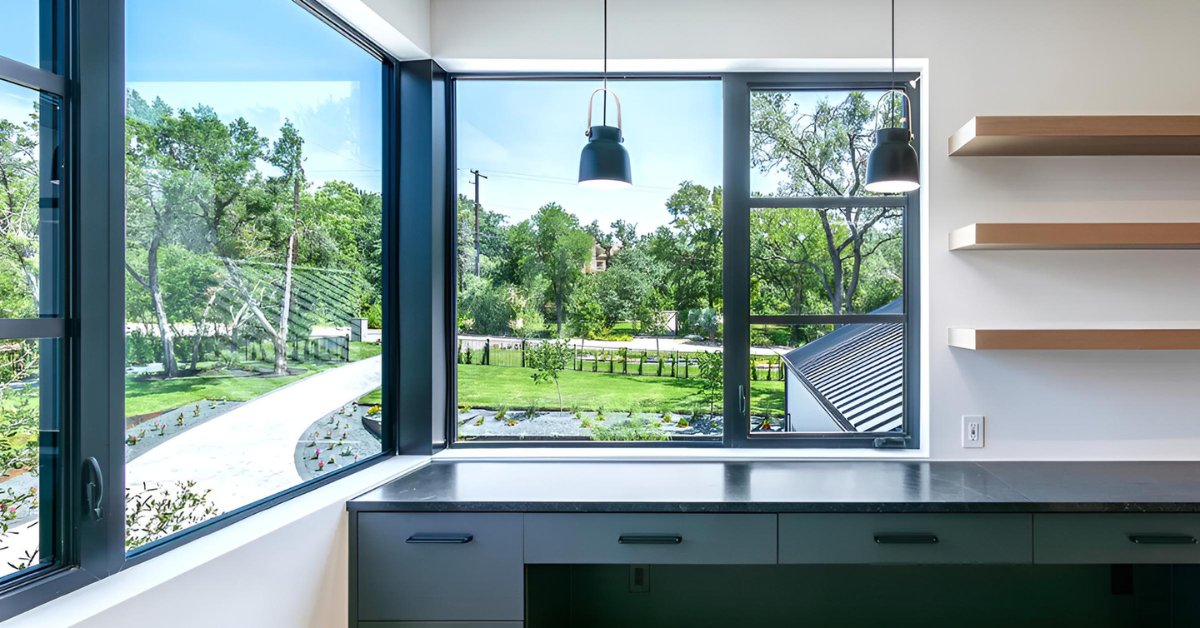
Energy performance has become a core part of window selection. Especially in warmer climates like Texas, homeowners are paying closer attention to solar heat gain, insulation performance, and long-term operating costs.
Large windows can absolutely work in hot climates when designed correctly. The frame material, glazing package, coatings, and installation quality all matter.
Modern aluminum systems have improved a lot in this area. Thermally broken frames and advanced insulated glass packages help reduce unwanted heat transfer while still allowing large expanses of glass.
Good design now means balancing appearance with actual daily comfort. Nobody wants a beautiful living room that overheats every afternoon.
Window trends are kind of moving toward cleaner architecture, bigger glass, slimmer frames, and stronger performance. It feels less like pure decoration and more like straight-up function, compared to the older design cycles. Folks are looking for homes that feel brighter, more open, and honestly easier to live in every day.
At RAM, we build custom aluminum systems that match those modern expectations without giving up durability or long-term performance. Whether someone is putting together a contemporary custom home or doing an upgrade on an older property, the right window frame design can change how the whole space feels.
A good window should do more than just fill the opening in the wall. It should upgrade the experience of the home itself.
RAM works with custom aluminum systems built for modern homes, big glass openings and those clean architectural lines that look kinda effortless. And our window frame design know-how helps homeowners and builders shape areas that feel brighter, more open, and connected to the outdoors, but without ignoring durability and long-term performance either.
Aluminum frames are strong, slim and durable. They can carry larger glass panels without needing chunky framing, so the whole look stays cleaner. Lots of homeowners also like aluminum because it stands up to weather well, and it fits a lot of contemporary architectural styles without looking too ornate or overly decorative.
Yes, aluminum casement windows can be highly energy efficient when they are matched with quality insulated glass and thermally broken frame systems. Since casement windows seal tightly when closed, they limit unwanted air leaks while still letting you get solid ventilation when you open them up.
Modern aluminum storm windows look a lot different from those older, bulky designs people might remember. Today’s systems are cleaner, slimmer, and better integrated into the house design. Many impact-rated aluminum options now mix serious protection from weather with a modern visual presence, pretty seamlessly.
Homeowners should weigh natural light, ventilation, energy efficiency, the view outside, the frame material, and how the windows actually match the architecture of the home. A good house window design should enhance both appearance and day-to-day comfort in the space, not only chase style for style’s sake.